Can Cold Weather Really Affect Your Drains? What Utah Homeowners Need to Know
Utah winters bring more than snow and cozy fires, they bring a silent strain on your plumbing system. Many homeowners don’t realize that cold weather doesn’t just threaten pipes with freezing; it also puts your drains and sewer lines at risk of clogs, backups and damage. In colder months, the combination of the freeze-thaw cycle, holiday cooking grease, and shifting ground can turn a “slow drain” into a full-blown plumbing disaster. Here’s how to understand the risks, take preventive steps, and when to call in professionals for a thorough check, such as our dedicated sewer camera inspection & drain cleaning services.
Why Winter Affects Drains (and Why It Matters in Utah)
Several factors make cold weather tougher on drains:
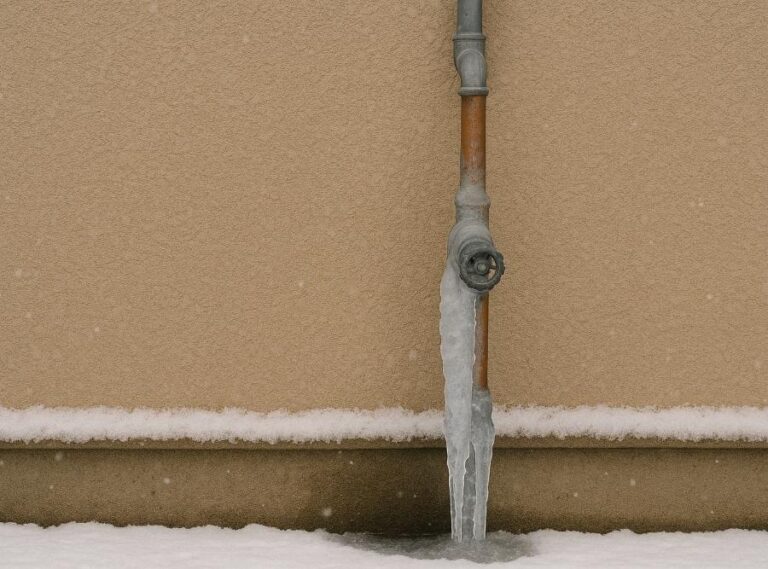
- Freeze-thaw & pipe movement: When water accumulates in drain or sewer lines and freezes, it expands. The expansion can crack or distort pipes, and when it thaws, the ground may shift and misalign the line.
- Grease, fat and oil solidification: Winter often means more cooking, especially during the holidays. Grease, fats and oils that go down your kitchen sink in warmer months stay liquid; in winter they cool quicker and are more likely to coat the inside of pipes and traps, reducing flow and building blockages.
- Tree roots becoming trouble: Even when trees are dormant, their roots search for moisture. Cracks or weak joints in sewer lines become entry points for roots. Over time, root intrusion can reduce pipe diameter, cause blockages and amplify issues in winter when drainage is already stressed.
- Debris, snow melt and drainage overload: Melting snow carries debris, leaves and grit from sidewalks, driveways and yards into your drains. Some of that ends up in sewer lines, and combined with colder temps and slower flow, it contributes to clogs.
In Utah, where the ground freezes and thaws and holiday traffic means more home-cooking indoors, these factors are especially relevant. A clogged or damaged drain line in freezing weather can cause backups, unpleasant smells, and costly repairs that you’d rather avoid.
Signs Your Drains Might Be Struggling
Keep an eye out for any of the following warning signs as winter closes in:
- Water in sinks, tubs or showers drains unusually slowly or backs up.
- Gurgling noises when you flush toilets or run water in multiple fixtures.
- Foul or sewer-type odors coming from floor drains, basement drains or outdoor clean-outs.
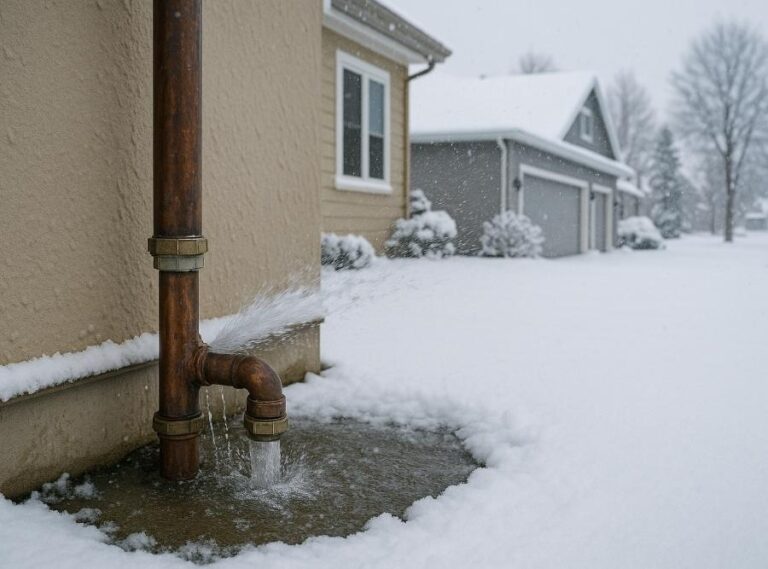
- Water pooling around exterior drain outlets, or an outside drain that stays full even in cold weather.
- Sudden/unexplained spikes in water or sewer bill—indicating hidden leakage or extra discharge.
- Visible frost, cracking or heaving near buried access points or clean-outs, suggesting ground movement around pipes.
If you notice any of these, it’s a good idea to call for a proper inspection before the problem escalates.
Practical Winter Drain Care for Utah Homeowners
Here are practical steps you can take now to protect your drains this winter:
1. Don’t pour grease or hot fat down the kitchen sink
After meals—especially holiday feasts, let grease cool and solidify, then discard in the trash rather than sending it into your drains. This keeps your pipes smoother and less vulnerable to cold-weather buildup.Use drain strainers in your sinks to catch food particles and let warm water run after meals to help flush residual oils.
2. Insulate and protect exposed drain lines and transitions
Any drain or vent pipe that runs through an unheated space (crawl space, basement rim, exterior wall) is at higher risk of freezing or shifting. Consider adding insulation, and ensure proper slope so water doesn’t pond inside the pipe. Some outdoor/trench drain systems benefit from heat tracing or protective covers.
3. Clear debris from outdoor and down-drain systems
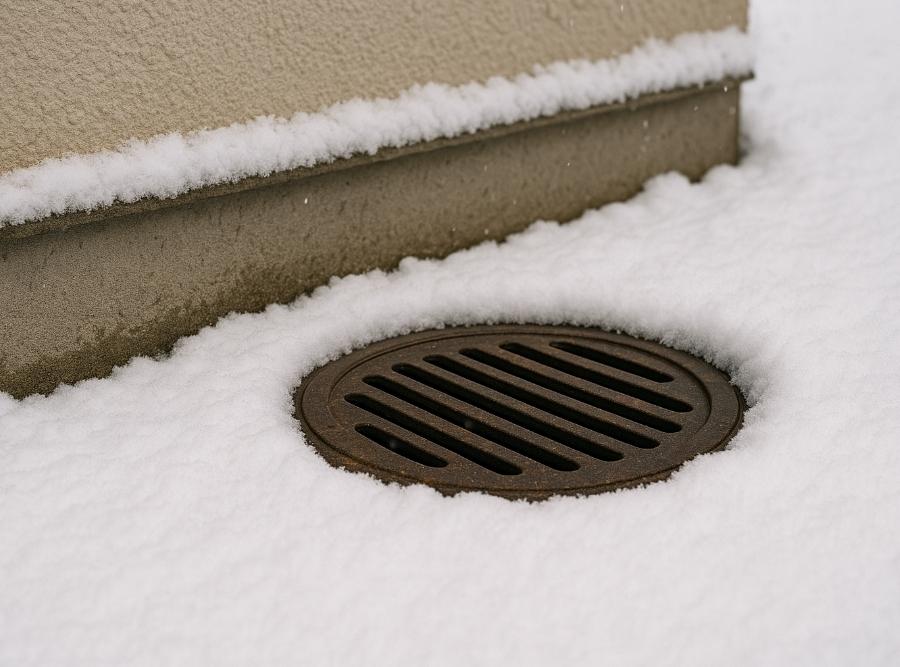
Before heavy snow or freeze sets in, clean out leaves, grit and debris from exterior drains, grates and catch-basins. This helps melting snow or runoff flow properly and prevents blockage or ice build-up at key drain outlets.
4. Schedule a professional drain/sewer inspection
Especially if your home is older or you’ve noticed slow drainage or smells, a camera inspection of your sewer line can catch root intrusion, cracks, offsets or early blockages before they become emergencies. Our team offers thorough inspections and drain cleaning to keep your system in top shape.
5. Monitor during freeze/thaw cycles
In Utah, the ground may freeze, thaw, then refreeze. These cycles can shift soil and disrupt buried pipes. If you notice newly uneven ground near clean-outs or your drain exits, or if two drains start acting sluggish at the same time, it may signal a buried line issue. Prompt inspection can head off big trouble.
When to Call the Pros (Sooner Rather Than Later)
If you experience any of the following, it’s time to call in the experts at Pro Master Services:
- Multiple fixtures backing up or slow drains across your home (not just one sink).
- Collapsing or separated sewer line detected during an inspection.
- Water pooling or surfacing near buried clean-outs, indicating a damaged line.
- Freezing or burst drain pipe seen in your crawl space or basement.
- Repeated clogs despite your preventative efforts.
A professional drain camera inspection can locate the exact problem (roots, cracks, offset joints, collapsed pipe), and our drain cleaning services can restore flow—saving you from major damage and expense.
Prevent Winter Clogs Before They Happen
Cold weather absolutely can affect your drains. In Utah, the combination of freezing conditions, holiday cooking overload, and aging infrastructure means you can’t afford to be complacent. The good news: with awareness and a few preventative steps, you can protect your home, avoid messy backups and enjoy winter without drain-related stress.
Need help making sure your drains are winter-ready? Reach out to Pro Master Services for a professional inspection and expert drain cleaning before a small issue becomes a costly mess.