
Is Your Sump Pump Ready for Winter? What Utah Homeowners Should Check Now
Winter in Utah brings more than just snow and cold nights, it brings unique risks to your home’s lowest level: the basement. Many homeowners assume that sump pumps and basement water issues only matter in spring when snow melts. The truth is, the cold season itself can be just as threatening. In this guide, we’ll walk through why winter is a vulnerable time for your sump pump, what specific checks you should run, and how we at Pro Master Services can help with sump pump & basement protection services before trouble strikes.
Why Winter Puts Your Sump Pump to the Test in Utah
Here are the key reasons Utah’s winter climate heightens the stakes for basement water protection:
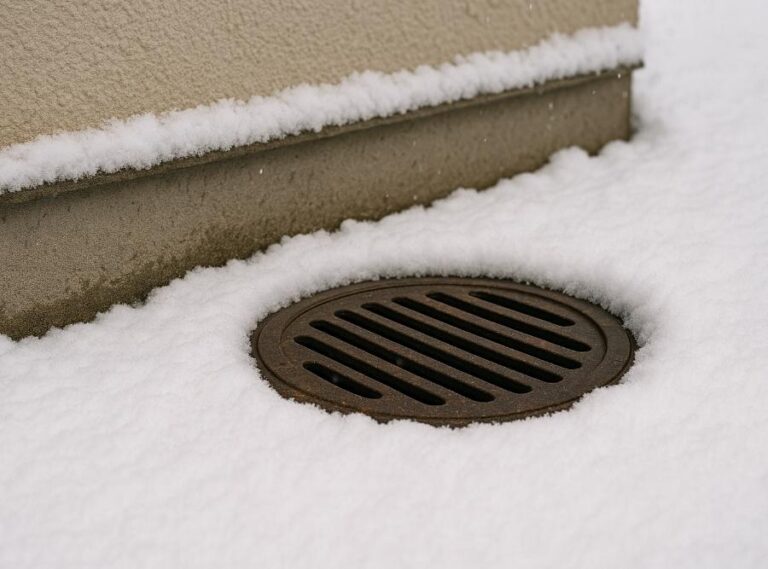
- Snow accumulation + sudden thaws – Heavy snow can melt rapidly during a warm day, sending large volumes of water into the soil around your foundation. That water often finds its way to your sump pit.
- Freeze-thaw cycles and shifting soil – The constant cycle of freezing nights and warmer days causes ground movement, which can crack foundations, dislodge drainage lines or compromise the sump pit.
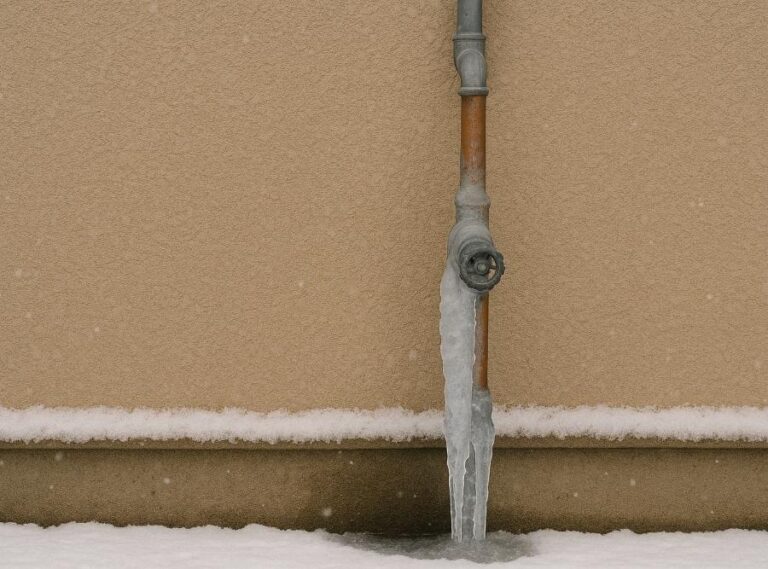
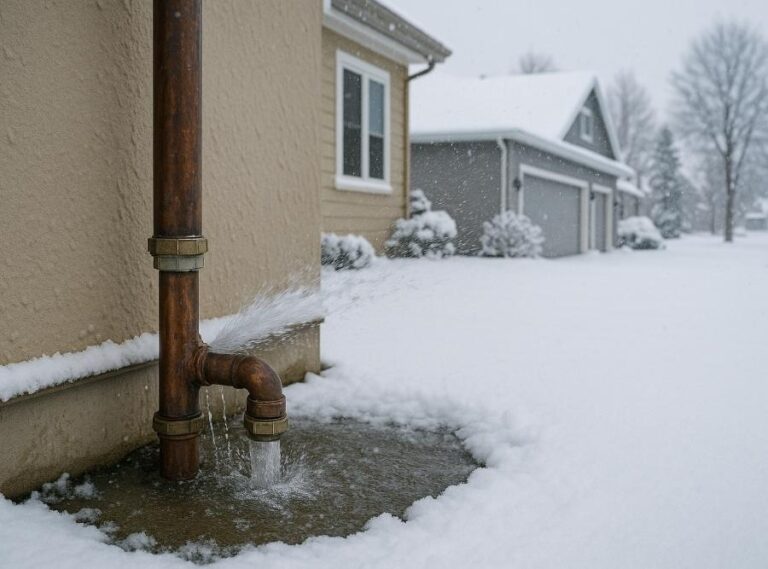
- Frozen or blocked discharge lines – Your sump pump might work just fine, but if the discharge line (the pipe it pumps water out through) freezes or becomes blocked, the pump can’t expel water, leading to overflow.
- Basement locations in Utah homes – Many Utah homes have basements, sometimes finished, sometimes not. A failed sump pump means not only water intrusion but damage to valuables, furnishings and long-term mold issues.
Because of these combined risks, even during cold months when you might think things are quiet, your sump pump needs to be ready.
What to Check Now: Winter-Proof Your Sump Pump
Here’s a checklist of what you should inspect and what tasks you should complete to ensure your sump pump is winter-ready.
1. Test the Pump Operation
- Pour a bucket of water into the sump pit and see if the pump activates, removes the water, and shuts off properly.
- Listen for any unusual sounds humming, struggling, or the pump keeping on too long could signal trouble.
2. Inspect the Discharge/Outlet Pipe
- Make sure the discharge pipe has a clear path and is properly directed away from your foundation.
- Check for insulation or signs of freezing on exposed sections. If the pipe freezes, water backs up right into your basement.
- Ensure the slope is correct and there are no dips where water can pool and freeze.
3. Examine the Sump Pit and Surrounding Area
- Remove any debris, sediment or gravel from the pit that could hamper pump function.
- Ensure the cover is secured (if used) and minimizes cold air/seepage.
- Check that the area around the sump is dry and the floor/foundation shows no signs of dampness or water tracking.
4. Check the Power Source & Backup Options
- Winter storms in Utah can cause power outages. If your sump pump loses power, the pit can fill fast — consider having a battery-backup pump or generator.
- Make sure the pump is plugged into a dedicated circuit and its power cord is in good condition.
5. Inspect Foundation & Perimeter Drainage—Pre-empt Slab Leaks
- Because of shifting soils and freeze-thaw, your foundation might have small cracks or your drainage system might be compromised. These create extra load on your sump pump.
- Clear gutters, ensure downspouts divert water away from the foundation, and verify grading slopes away from your home.
When You Should Call a Professional
If you notice any of the following signs, it’s time to reach out to Pro Master Services for a full check-up. Call a professional if your pump doesn’t activate or runs continuously, if the discharge line appears frozen, has ice buildup at the outlet, or if water is pooling nearby. You should also contact us if water is already entering the basement or you notice mold or mildew odors. Homes that sit lower than neighboring lots or have weak foundation drainage are also at higher risk.
Additionally, if your sump pump is over 7–10 years old, the typical lifespan or you’ve had previous water intrusion, it’s best to have it inspected. Professional service includes a complete inspection of the pump, check valve, discharge line routing, backup systems, foundation perimeter, and, if needed, slab leak diagnostics to ensure full protection.
Why Choose Pro Master Services?
At Pro Master Services in Murray, UT, we specialize in winter-ready plumbing systems designed for Utah homes. Our sump pump and basement protection services include seasonal pre-winter inspection and maintenance for sump pumps, discharge line insulation, rerouting, or upgrades especially helpful during Utah’s harsh winters. We also provide foundation drain and perimeter reviews, along with slab leak awareness to protect you from hidden threats.
And if a failure does occur, our emergency response services help ensure you’re better prepared, minimizing damage and stress. Because we understand the local weather, soil, and basement risk factors, we tailor every solution specifically to your home.
Your Winter Sump Pump Prep Summary
- Test your sump pump with a bucket of water.
- Inspect and insulate the discharge line; ensure proper slope and routing away from foundation.
- Clear the sump pit of debris and ensure proper cover/seal.
- Verify power and backup options (battery or generator).
- Check gutters, downspouts, foundation grading and look for signs of slab/foundation issues.
- Keep the contact info of your plumbing pro handy (that’s us!) in case something seems off.
Final Thought
Don’t assume your basement is safe just because you haven’t seen water yet. Winter in Utah brings hidden risks, snowmelt, freeze-thaw cycles, shifting soil and component failures all combine to test your sump pump system. By doing a few checks now, you greatly reduce your chance of returning home to water damage, mold or structural headache. And if you’d rather let the pros handle it, contact us at Pro Master Services, we’ll help make sure you’re ready before winter hits in full.